Bread Without Seed Oils: 13 Picks From 12,920 Labels
About 7 in 10 US breads are made with seed oil, most often soybean or canola, so finding one without takes a look at the label. Below are the breads we confirmed have none, how each brand’s labels break down, and how to check any loaf yourself.
We count oils from canola (rapeseed), soybean, corn, cottonseed, grapeseed, rice bran, safflower and sunflower as seed oils. Olive, avocado, coconut and palm oil, butter, whole seeds, soy flour and lecithin don’t count.
Breads without seed oils
We read each bread’s current label on the brand’s website, or the SmartLabel page the brand links to, on November 9, 2026.
Whole grain and sprouted loaves
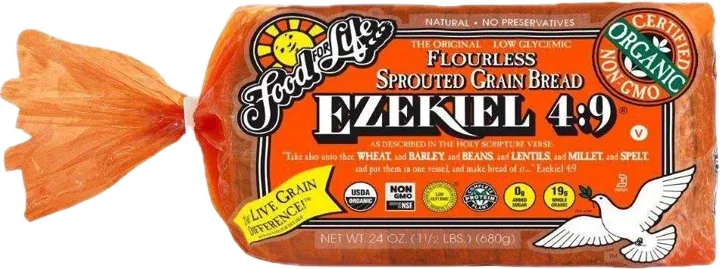
Food for Life
Ezekiel 4:9 Sprouted Whole Grain Bread and English Muffins
No oil or fat
Source: Food for Life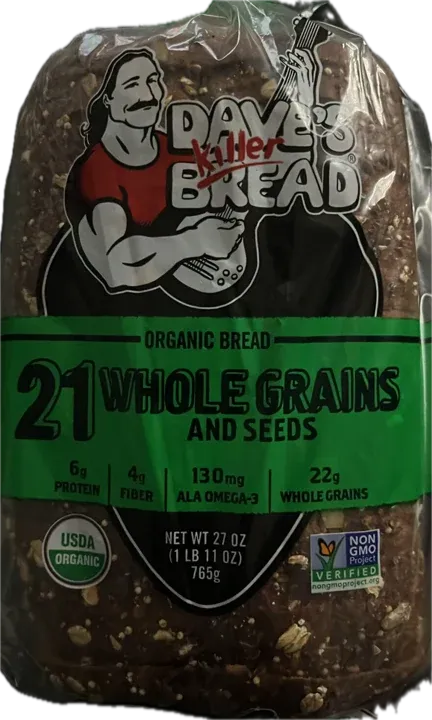
Dave's Killer Bread
21 Whole Grains and Seeds
No oil or fat
Source: Dave's Killer Bread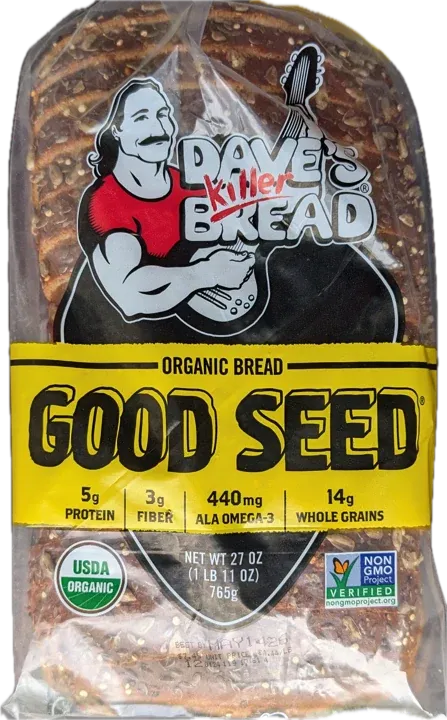
Dave's Killer Bread
Good Seed
No oil or fat
Source: Dave's Killer Bread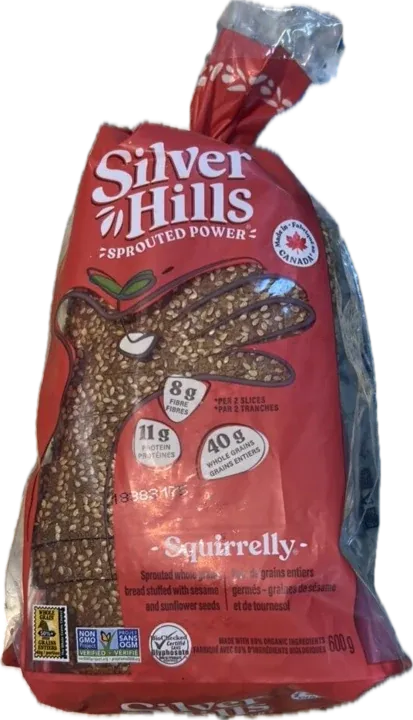
Silver Hills
Squirrelly
No oil or fat
Source: Silver Hills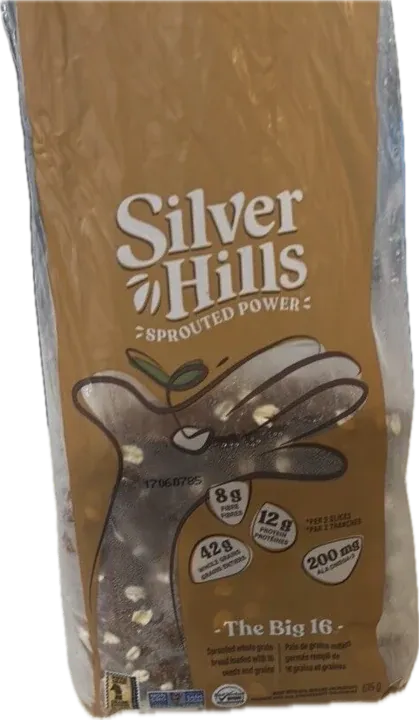
Silver Hills
The Big 16
No oil or fat
Source: Silver Hills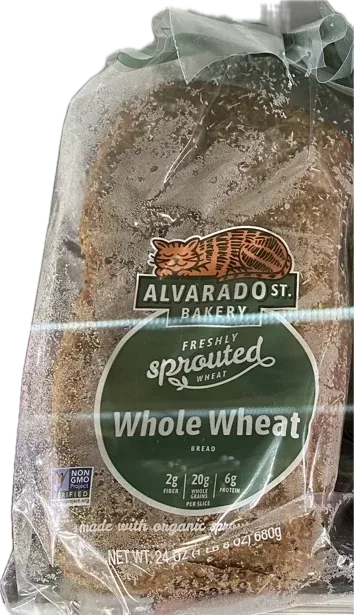
Alvarado St. Bakery
Sprouted Whole Wheat
No oil or fat
Source: Alvarado St.
Silver Hills publishes its ingredients on its Canadian site only, so we could not see a separate US label.
White bread and soft rolls
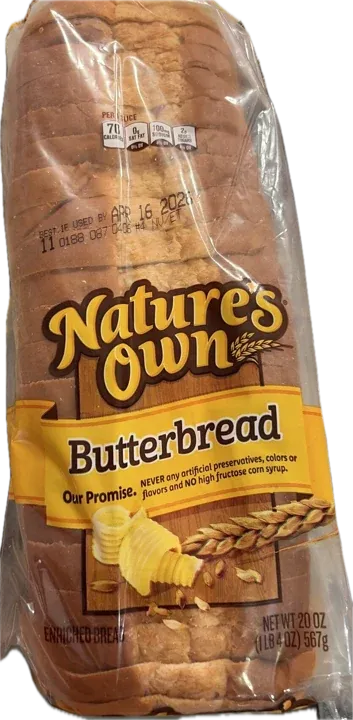
Nature's Own
Butterbread
Butter
Source: Nature's Own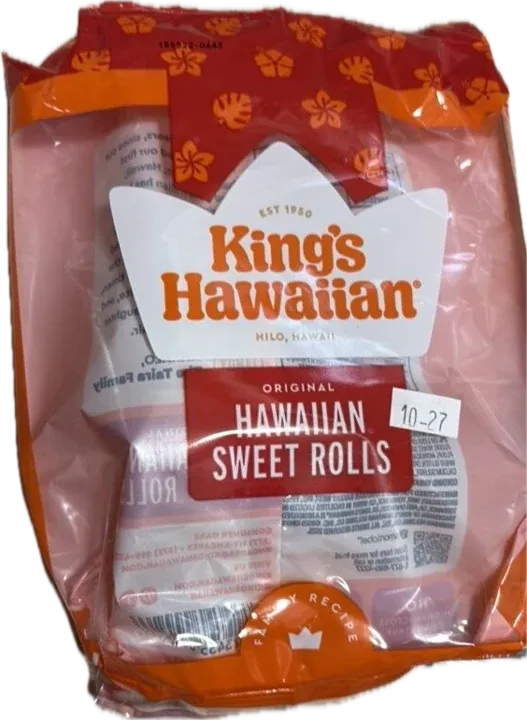
King's Hawaiian
Original Hawaiian Sweet Rolls
Butter
Source: SmartLabel
Sourdough and rye
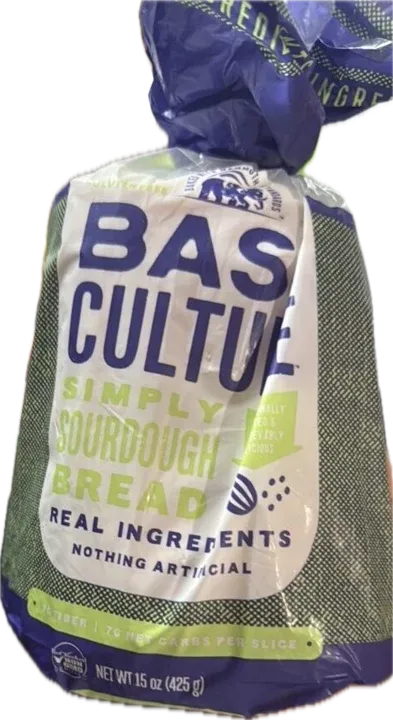
Base Culture
Simply Sourdough
Coconut oil
Source: Base Culture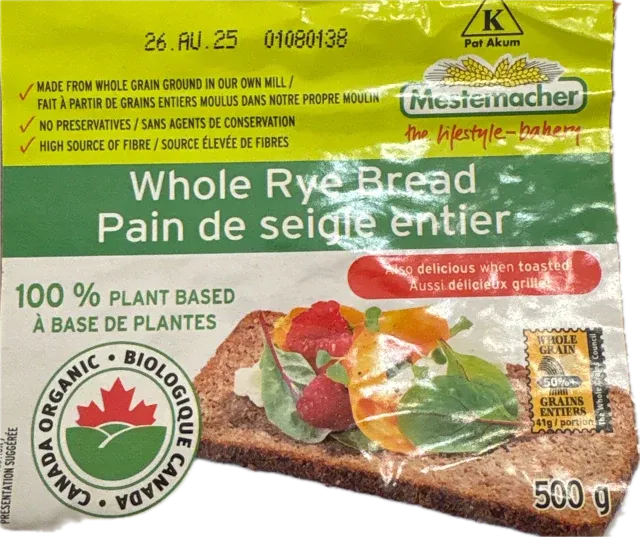
Mestemacher
Whole Rye
No oil or fat
Source: Mestemacher
Bagels
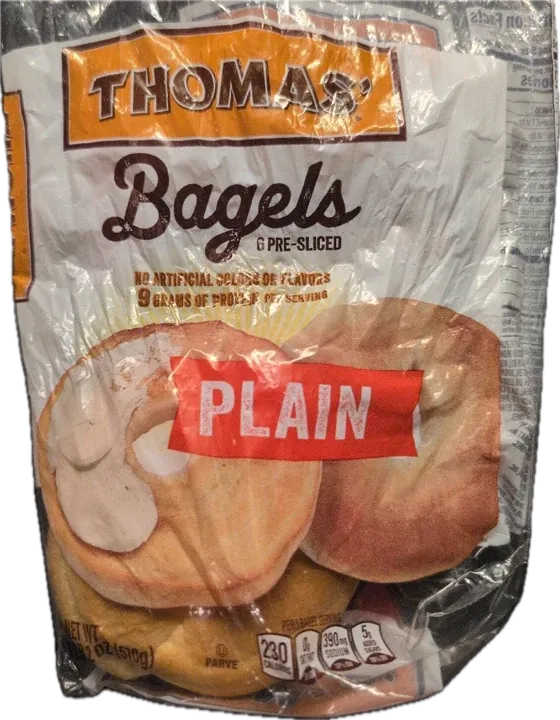
Thomas'
Plain Bagels
No oil or fat
Source: SmartLabel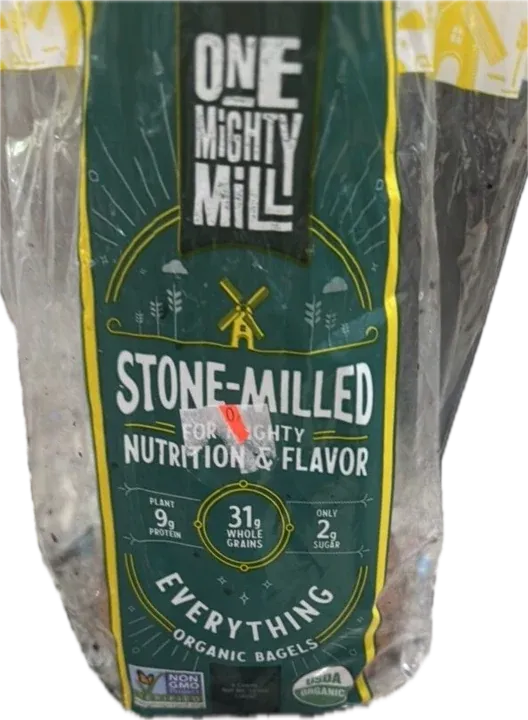
One Mighty Mill
Everything Bagels
No oil or fat
Source: One Mighty Mill
Thomas’ plain bagels appear to have changed: the current label lists no oil, while some older store listings show soybean oil, so check the bag you buy.
Gluten free
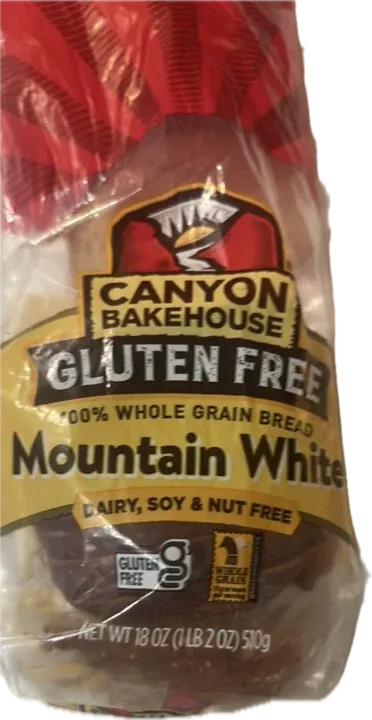
Canyon Bakehouse
Mountain White
Olive oil
Listed as “extra virgin olive oil”
Source: Canyon Bakehouse
Photos can show an older package than the label we checked.
Breads that do list a seed oil
These common breads list a seed oil on their current label. Several list it near the end, in the “contains 2% or less” part.
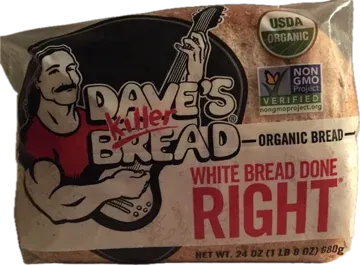
Dave's Killer Bread
White Bread Done Right
Canola oil
Listed as “organic expeller pressed canola oil”
Source: Dave's Killer Bread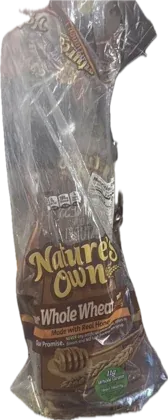
Nature's Own
100% Whole Wheat
Canola oil
Listed as “expeller pressed canola oil”, in the 2% or less part
Source: Nature's Own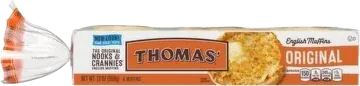
Thomas'
Original English Muffins
Soybean oil
Listed as “vegetable oil (soybean)”
Source: SmartLabel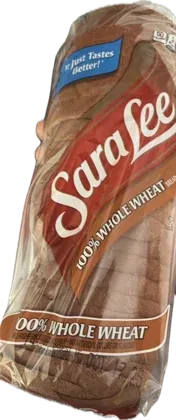
Sara Lee
Classic 100% Whole Wheat
Soybean oil
Listed as “vegetable oil (soybean)”, in the 2% or less part
Source: SmartLabel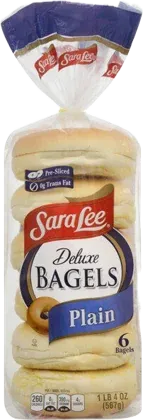
Sara Lee
Deluxe Plain Bagels
Soybean oil
Listed as “vegetable oil (soybean)”
Source: SmartLabel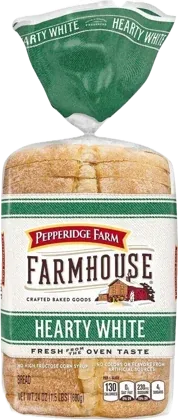
Pepperidge Farm
Farmhouse Hearty White
Soybean oil
In the 2% or less part
Source: Pepperidge Farm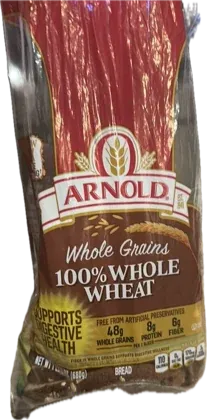
Arnold
Whole Grains 100% Whole Wheat
Soybean oil
Listed as “vegetable oil (soybean)”
Source: SmartLabel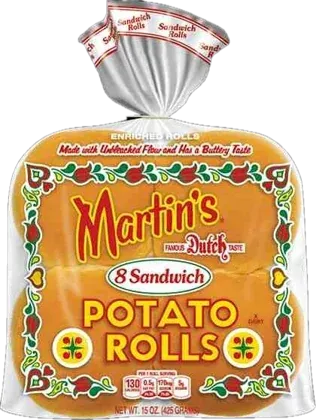
Martin's
Sandwich Potato Rolls
Sunflower oil
Source: Martin's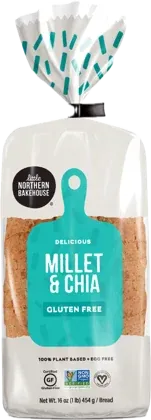
Little Northern Bakehouse
Millet & Chia (gluten free)
Sunflower oil
Source: Little Northern Bakehouse
Which Dave’s Killer Bread has no seed oils?
Most Dave’s Killer Bread loaves list organic canola or sunflower oil. The two current loaves we confirmed without seed oil are 21 Whole Grains and Seeds and Good Seed, shown above. White Bread Done Right lists organic expeller pressed canola oil. Across the 58 Dave’s labels we found, 20 have no seed oil, and one older Good Seed label (a 27 oz loaf) lists canola oil, so check the bag you buy.
What 12,920 US bread labels show
Cottonseed, safflower and corn oil are each on less than 3% of labels. About a third of seed-oil breads use only a little: in 3,211 of the 9,185 (35.0%), the oil appears only after “contains 2% or less of”. If you are cutting back rather than avoiding seed oils completely, that detail may matter to you.
Brand by brand
Some brands are reliable and some depend on the loaf. We counted every label we found for each brand, across loaves, buns, bagels and English muffins, including older versions. The counts come from the 12,920 US bread labels we counted (method at the end), so they describe labels, not what a store stocks today.
Labels change. One older Nature’s Own 100% Whole Wheat label we found lists butter and no seed oil; the label on the brand’s site today lists expeller pressed canola oil. That is why the checked breads above, not the brand counts, are the place to pick a loaf from.
How to spot seed oil on a bread label
Sara Lee 100% Whole Wheat Bread
Ingredients
Whole wheat flour, water, sugar, wheat gluten, yeast, contains 2% or less of each of the following: vegetable oil (soybean), salt, preservatives (calcium propionate, sorbic acid), DATEM, natural flavors, monoglycerides, citric acid, soy lecithin, enzymes.
- Red a seed oil
- Dotted sounds like one, but isn't counted
- Bold where a third of seed oils sit
- Read the whole list, including the small print. Bread labels often end with “contains 2% or less of”, and that is where a third of the seed oils in our count sit.
- “Vegetable oil (soybean)” is soybean oil. US rules require oils to be named by source, and allow an “and/or” list when a bakery switches between oils. A label reading “canola and/or soybean oil” or “contains one or more of the following” can contain any of the oils listed.
- Check inside brackets. Margarine and shortening are made from oils, and the label lists which ones in brackets, for example “margarine [soybean oil, palm oil…]”.
- Some soy and sunflower words are not oils. Soy flour, soy lecithin, sunflower lecithin and sunflower seeds are not seed oils by the usual definition. Mono- and diglycerides are made from fats, and the label does not say which fat.
- Match the exact loaf. As the brand chart shows, the same brand can sell one loaf with seed oil and one without, and recipes change.
Spot seed oils in one scan
Spotting seed oils on a label takes time, especially in the small print. When you scan a bread, the Berry app does it for you and marks the ingredients you avoid, seed oils included. You can also compare two loaves side by side, or photograph the package if a bread isn’t on file yet. Recipes change, so for a strict avoid, the bag in your hand has the final say.
We counted cereal labels the same way: cereals with and without Red 40.
Common questions
Does Ezekiel bread have seed oils?
No. Food for Life’s Ezekiel 4:9 Sprouted Whole Grain Bread and English Muffins list no oil or fat. The brand’s gluten-free rice breads are different: most of those labels list safflower or sunflower oil.
Do King’s Hawaiian rolls have seed oils?
The Original Hawaiian Sweet Rolls don’t; their fat is butter. Of the 41 King’s Hawaiian labels we found, 34 have no seed oil. The exceptions include pretzel buns and English muffins, which list soybean oil.
Does sourdough bread have seed oils?
Traditional sourdough is flour, water and salt, with no oil. Packaged sourdough varies, so check the label: Base Culture Simply Sourdough uses coconut oil, which is not a seed oil.
Does white bread have seed oils?
Many do. Pepperidge Farm Farmhouse Hearty White lists soybean oil and Dave’s Killer Bread White Bread Done Right lists canola oil. Nature’s Own Butterbread uses butter, and Canyon Bakehouse Mountain White (gluten free) uses olive oil.
How we checked the labels
- Label counts. On November 9, 2026 we took every US bread label with an English ingredient list in the product data the Berry app uses, which includes data from USDA FoodData Central and Open Food Facts (Open Database License): loaves, buns, rolls, bagels, English muffins, pita, naan and flatbreads. That gave 12,920 labels.
- How we found seed oils. We searched each ingredient list for the eight oils above in every form we saw on labels, including “vegetable oil (soybean)”, “and/or” lists, oils inside margarine or shortening brackets, and hydrogenated, organic, expeller pressed and high-oleic versions.
- What the counts can and cannot say. The labels span several years and include older recipes. They describe what bread labels have said, not what any one store stocks today.